Is Cerelac Good or Bad for Your Baby? A Nutrition Breakdown
” Is Cerelac good or bad? ” is one of the most searched questions among new parents. The honest answer
Starting solids is an exciting milestone, but it can also feel overwhelming. If you’ve been reading packaging labels and wondering what Cerelac stages actually mean and what’s actually inside each pack you’re not alone. This guide breaks down each stage, and what to watch for on the ingredients list, so you can make an informed choice for your little one.
Cerelac products are typically divided into different stages, each designed for a specific age range. The idea behind staging is simple: babies have different nutritional needs and digestive abilities as they grow.
Earlier stages usually have a smoother texture and simpler ingredients. Later stages introduce more variety, texture, and sometimes added flavors. However, age on a package is only a guideline every baby develops at their own pace, so developmental readiness matters just as much as the number on the box.
This is the earliest stage, often marketed for babies starting around 4 months. It’s worth noting that many major health organizations, including the WHO, recommend exclusive breastfeeding until around 6 months before introducing solids . If you’re considering starting earlier, a conversation with your pediatrician is essential.
By this stage, most babies are more developmentally ready for solids. Stage 2 options often introduce slightly thicker textures and may combine grains with fruits or vegetables.
This is typically when parents start seeing more enthusiasm from their baby during mealtimes.
At this point, babies are usually managing more textured foods and a wider range of flavors. Stage 3 products often reflect this with chunkier consistency and more ingredient combinations.
Babies may also be practicing self-feeding skills around this age.
By 12 months, many babies are transitioning toward family meals. Stage 4 products are formulated for toddlers who can handle more complex textures and flavors closer to regular food.
Before choosing any baby cereal, it helps to actually understand what those ingredient-list terms mean because most parents buy based on the box, not the back label.
None of these are things a growing baby needs. Early and frequent exposure to added sugar and artificial flavoring can encourage a preference for sweeter, more processed tastes later on, and offers no nutritional benefit at a stage when a baby’s palate and eating habits are still forming. Many popular baby cereal brands include one or more of these in their formulas, yet very few parents actually check the ingredients panel before buying they trust the packaging and feed it to their baby without a second look. Taking two minutes to read the label, rather than the marketing on the front of the box, is one of the simplest ways to protect what your baby is actually eating.
Rather than relying only on age, watch your baby’s individual cues. Every child develops differently, and readiness signs are often a better guide than a birthday.
Always consult your pediatrician before starting or switching stages, especially if your baby was born prematurely or has specific health considerations.
Signs Your Baby Is Ready to Start Solids
Look out for these common readiness signs:
If your baby isn’t showing these signs yet, it may be worth waiting a little longer, regardless of the age listed on a product.
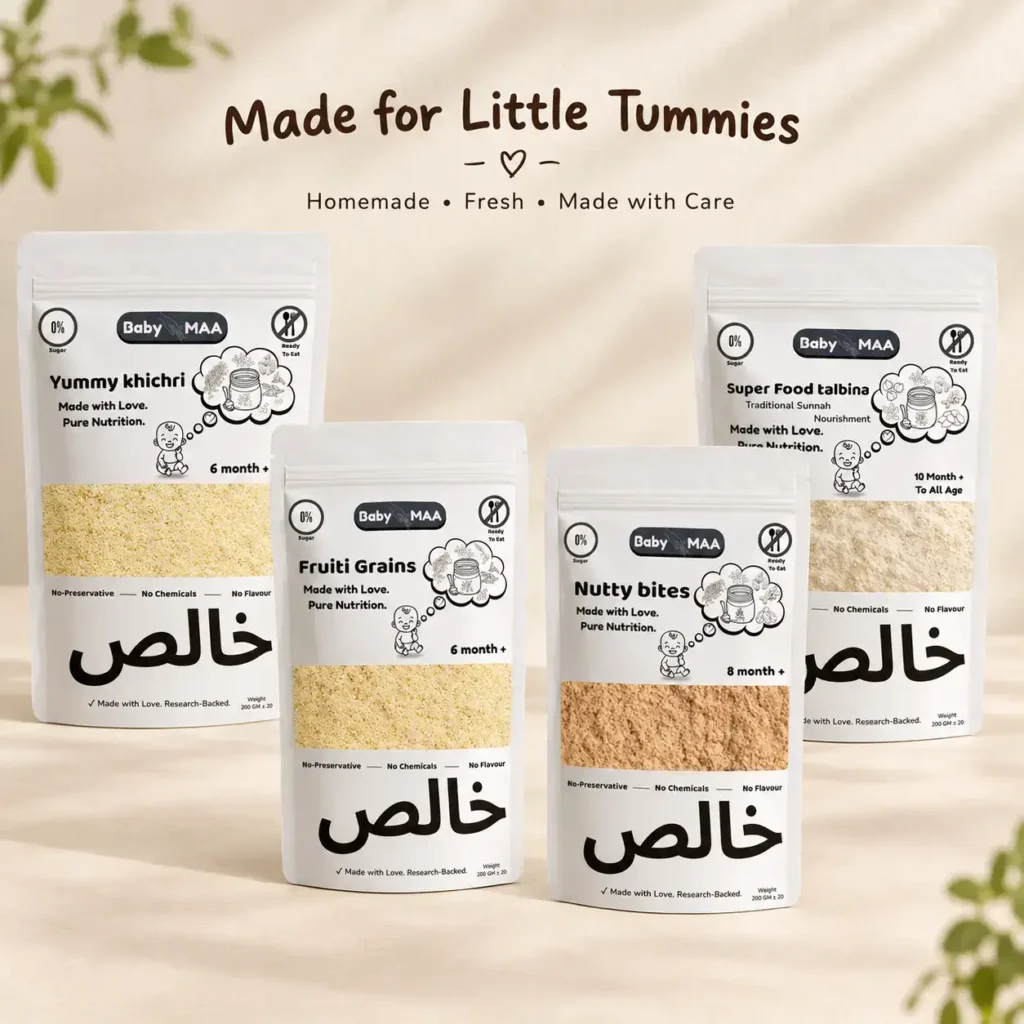
Many parents are turning to whole-grain options like Talbina, Nutts Cereal, Fruit Cereal a traditional grain-based food known for its nutritional value. Super Food Talbina by Sunnah Grain is made with no added sugar, no artificial flavors, and no chemical preservatives just totally organic ingredients and an organic, naturally mild taste that lets the grain speak for itself.
This doesn’t mean every commercial cereal is automatically unsafe — it means parents today have more choices, and it’s worth understanding exactly what each option puts in front of your baby before deciding what fits your family’s needs.
Cerelac products are often marketed starting from around 4 months, but many pediatric guidelines recommend introducing solids closer to 6 months. Always check with your doctor before starting.
This depends on your baby's individual development and your pediatrician's advice. Readiness signs like head control and interest in food matter more than age alone.
Each stage is formulated for a different age range, with differences in texture, ingredient complexity, and flavor variety as babies grow.
Ingredient lists vary by stage and market, so it's worth checking the specific pack you're considering. Many processed baby cereals on the market do include added sugar, flavoring, or preservatives always read the label rather than relying on the front-of-box marketing. sugar or flavours is not god for baby health
Some parents do skip stages based on their baby's readiness, but it's best to discuss this with a pediatrician first.
Our All Products is a totally organic or approved, minimally processed alternative no added sugar, no artificial flavors, no chemical additives, just a naturally organic taste made the traditional way.
Curious about natural, wholesome alternatives for your baby's diet? Explore our Cereals Collection.
” Is Cerelac good or bad? ” is one of the most searched questions among new parents. The honest answer
Made by a Mother,For Every Mother in Pakistan Every Pakistani mother knows this feeling standing in front of the baby