” Is Cerelac good or bad? ” is one of the most searched questions among new parents. The honest answer is: it depends on what you’re looking for and how you use it. Here’s a balanced breakdown of the nutrition facts to help you decide.
What’s Inside Cerelac? A Look at the Ingredients
Like most packaged baby cereals, Cerelac products typically contain a grain base (such as wheat or rice), along with added vitamins and minerals like iron. Some varieties also include fruit purees, milk solids, or flavoring
Understanding the ingredient list on your specific product is always the best first step, since formulations can differ between countries and flavors.
The Case For Cerelac
There are genuine reasons parents choose packaged baby cereal. It’s convenient, especially for busy households, and portion sizes and preparation are consistent every time.
Fortification with iron and other nutrients can also be helpful, since babies’ iron stores naturally decline around 6 months and dietary iron becomes more important.
The Concerns Parents Raise
Added Sugar Content
Some parents raise concerns about added sugars in certain flavored varieties. It’s worth checking the nutrition label on your specific product, since sugar content can vary significantly between flavors and stages.
Processing Level
Packaged cereals are, by nature, processed foods. For parents who prefer minimally processed, whole-food options, this is often the main hesitation.
Arsenic/Heavy Metal Studies
There has been ongoing research and public discussion around trace heavy metals in rice-based infant foods generally .This isn’t unique to any single brand, but it’s a topic worth being aware of if you’re choosing rice-based cereals frequently.
Cerelac Nutrition Facts at a Glance
Nutrition content varies by stage and flavor, so it’s best to check the label on the specific product you’re using for accurate details on calories, protein, fiber, and fortified vitamins/minerals.
What Pediatric Guidelines Say
General pediatric guidance encourages a varied diet once solids begin, combining packaged foods (if used) with fruits, vegetables, and other whole foods as your baby grows. No single food, packaged or homemade, should make up the entirety of a baby’s diet.
Healthier Whole-Grain Alternatives
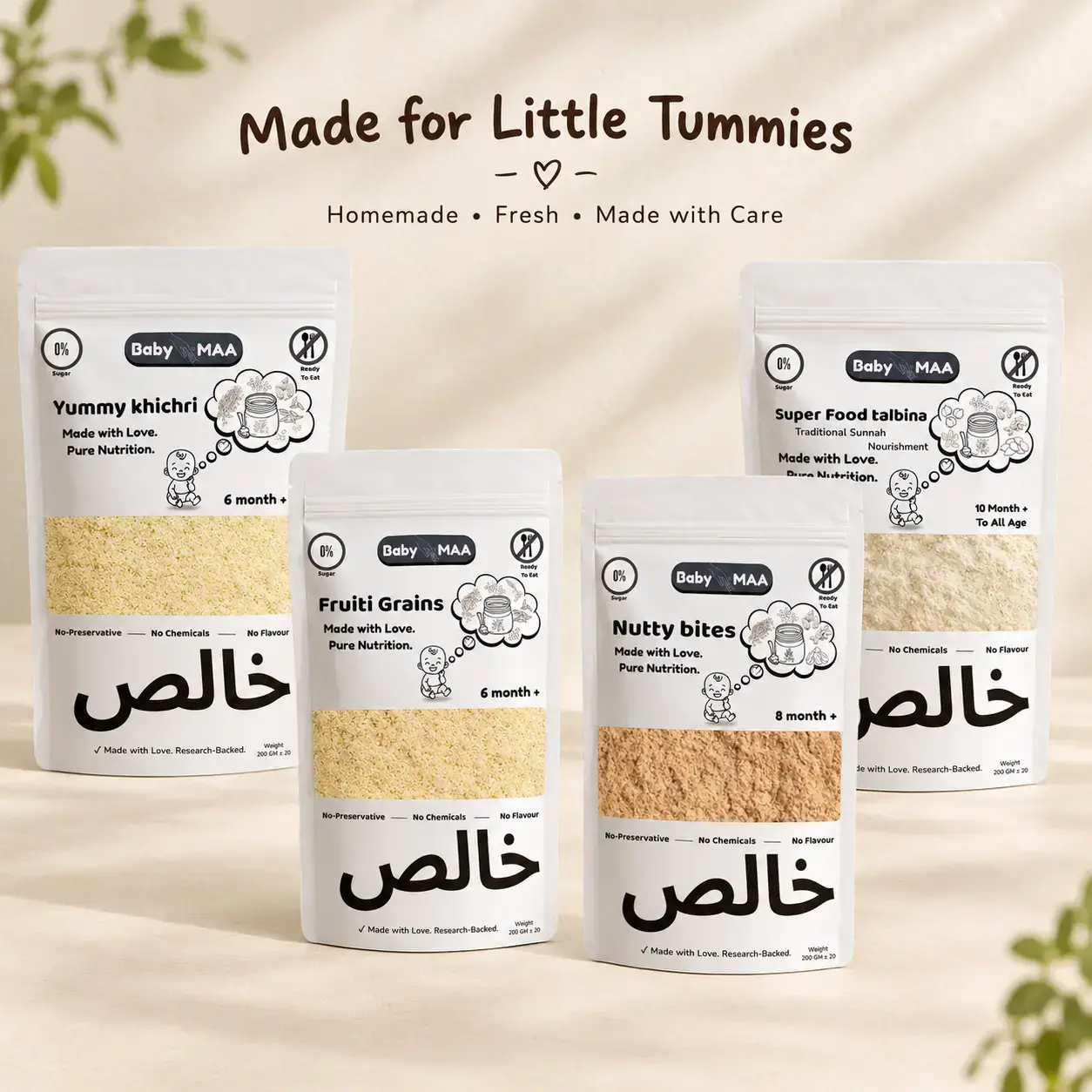
For parents seeking a minimally processed option, Talbina offers a grain-based alternative rich in natural nutrients. Made from whole barley, it reflects a more traditional approach to feeding that some families prefer alongside or instead of packaged cereals.
FAQs
-
Does Cerelac contain added sugar?
Some flavored varieties may contain added sugar, though this varies by product. Always check the nutrition label on your specific box.
-
Is Cerelac safe for daily use?
Packaged baby cereal can be part of a balanced diet, but pediatricians generally recommend variety rather than relying on one food source daily.
-
What do pediatricians recommend instead of packaged cereal?
Many pediatricians recommend a mix of whole foods, including fruits, vegetables, and grains, alongside any packaged foods you choose to use.
-
Are there natural alternatives to Cerelac?
Yes, whole-grain options like Talbina are a natural, minimally processed alternative that some parents incorporate into their baby’s diet.
Want to explore a natural alternative for your baby’s nutrition? Discover our Talbina range.